Emotional regulation
ADHD Meltdowns: What's Really Happening and How to Help in the Moment
Why children and adults with ADHD can go from zero to overwhelmed in seconds, what to do during a meltdown, and how to prevent the next one.
A dropped spoon. A change of plan. The wrong colour cup. To an outsider, the trigger for an ADHD meltdown can look tiny. To the person having it, the feeling is enormous, and the explosion that follows can leave everyone shaken.
Meltdowns are one of the hardest parts of ADHD for families, and one of the most misunderstood. Here is what is going on and what tends to help.
Meltdown, tantrum or shutdown?
These words get used interchangeably, but the difference matters for how you respond.
- A tantrum is usually goal-directed. A child wants something, and the behaviour often stops when they get it or realise they won't.
- A meltdown is a loss of control. The nervous system is overwhelmed and the person can't simply stop, even if they want to. Rewards and threats don't work because the thinking part of the brain is temporarily offline.
- A shutdown is the quieter cousin of a meltdown: withdrawing, going silent or freezing when overwhelmed. It is common in autistic people and also happens with ADHD.
Why ADHD makes meltdowns more likely
Emotional dysregulation isn't one of the official diagnostic criteria for ADHD, but many clinicians and researchers describe it as a core part of the experience. Several things combine:
- Big feelings, fast. Emotions can arrive quickly and at full intensity, with less of the "pause" that helps people choose a response.
- Working memory load. When the brain is juggling a lot, there is less capacity left to manage frustration.
- Transitions are hard. Shifting attention from something engaging, like a game, to something required, like bedtime, takes real effort.
- Accumulated stress. A day of trying to sit still, focus and follow instructions drains reserves. The meltdown at home is often the result of a whole day of holding it together.
- Rejection sensitivity. Many people with ADHD feel criticism or perceived rejection especially intensely.
Understanding this shifts the question from "Why are they behaving like this?" to "What has overwhelmed them, and how can I help them come back down?"
During a meltdown: what helps
1. Safety first. Move breakable objects, siblings or the person themselves to a safer space if needed.
2. Fewer words. A dysregulated brain can't process explanations. Short, calm phrases work better: "I'm here." "You're safe." "We'll sort it out after."
3. Regulate yourself. Your calm is contagious, and so is your stress. Slow your breathing, lower your voice and relax your shoulders. You are lending them your nervous system.
4. Reduce input. Dim the lights, turn off the TV and step back from crowded spaces. Some people want a hug; many want space. Learn which works for your child or for yourself.
5. Don't negotiate or teach yet. Lessons and consequences can come later, once everyone is calm. Mid-meltdown, the goal is simply to get through it.
6. Offer a regulating action. Once the peak passes, a drink of water, a weighted blanket, a squeeze ball or rhythmic movement like rocking or walking can help.
After the storm: repair
Once everyone is calm, often much later, reconnect. Keep it warm and brief:
- Acknowledge the feeling: "That was really hard. You were so frustrated."
- Get curious together: "What do you think made it so big today?"
- Agree on one small plan for next time: a code word, a calm corner or a warning before transitions.
If you lost your temper too, model repair by apologising. Children learn that relationships survive hard moments when they see adults take responsibility.
Prevention: lowering the baseline
Most meltdowns are easier to prevent than to manage. Look for patterns over a couple of weeks: time of day, hunger, tiredness, transitions, noise and screens.
- Warn before transitions. "Ten minutes, then shoes on." Visual timers help many children.
- Protect the basics. Sleep, regular food and movement make a measurable difference to emotional resilience.
- Build in decompression time. After school, many children need 30 to 60 minutes of low-demand time before homework or activities.
- Teach feelings vocabulary. Naming feelings ("I'm frustrated", "I'm overwhelmed") is the first step to managing them. Feelings charts and "emotional thermometers" from 1 to 5 help children notice rising stress earlier.
- Notice the good moments. Children with ADHD often hear a lot of correction. Specific praise ("You stayed calm when the game changed, that was hard") builds the skills you want to see.
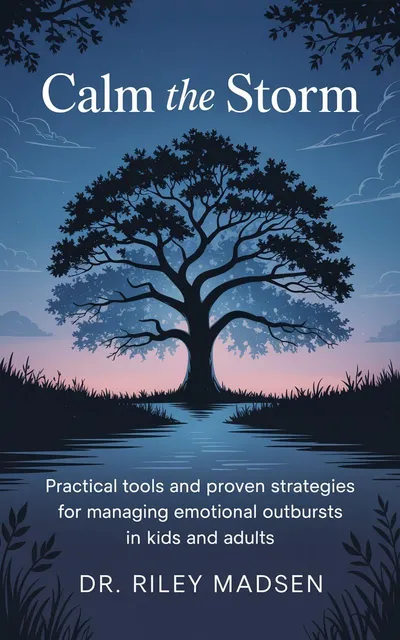
Calm the Storm: ADHD Meltdown Rescue goes deeper into calming techniques, prevention strategies and repair for both children and adults.
Girls and meltdowns
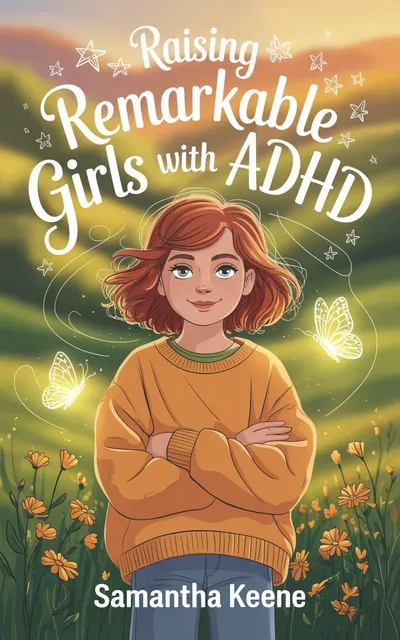
Girls with ADHD are often diagnosed later because their symptoms can be less disruptive in class. Many hold it together all day and then fall apart at home. Parents are sometimes told "she's fine at school" as if that settles it. It doesn't. Masking is exhausting. Raising Remarkable Girls with ADHD looks specifically at how ADHD shows up in girls and how to support confidence and emotional health.
Adults have meltdowns too
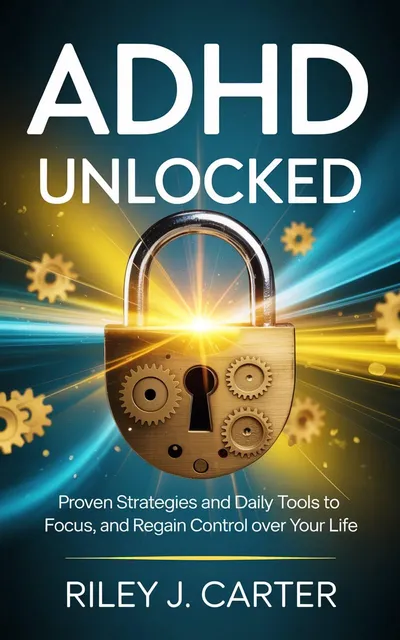
Adults with ADHD often describe sudden anger, tears or shutting down when overloaded. The same principles apply: notice early warning signs, reduce input, step away before speaking, and repair afterwards. ADHD Unlocked includes daily tools for emotional regulation alongside focus and organisation.
When to seek more support
Talk to your doctor or a specialist if meltdowns are frequent, getting worse, involve self-harm or harm to others, or if you suspect anxiety, autism or another condition alongside ADHD. Parent training programmes, occupational therapy and, where appropriate, medication can all make a real difference.
The takeaway
A meltdown isn't a choice and it isn't a parenting failure. It is a nervous system that has run out of capacity. Calm presence in the moment, warm repair afterwards and steady prevention work over time will, for most families, make meltdowns less frequent and less intense.
This article is general information, not a diagnosis or medical advice. Talk to a qualified clinician about assessment, medication or therapy.