For adults
Adult ADHD and Autism: 12 Practical Systems for Work and Home
Realistic, brain-friendly systems for adults with ADHD or autism to manage time, energy, tasks and sensory needs at work and at home.
Many adults discover they are ADHD, autistic, or both, later in life, often after a child's diagnosis or after years of feeling like everyday life takes more effort than it should. A diagnosis can bring relief and also a new question: so what do I do differently now?
The answer is rarely "try harder". It is building systems that suit how your brain works. Here are twelve that many neurodivergent adults find helpful. Pick one or two to start; trying to adopt all of them at once is a recipe for overwhelm.
Time and tasks
1. Externalise everything. If it lives only in your head, it will probably get lost. Use one trusted place for tasks, whether that is an app, a notebook or a whiteboard, and capture things the moment they come up.
2. Make time visible. Analogue clocks, visual timers and time-blocked calendars help counter time blindness. Seeing an hour as a physical block makes it easier to judge what fits.
3. Use body doubling. Working alongside another person, in person or on a video call, makes it easier to start and stay on task for many people with ADHD. Online co-working sessions are a free version.
4. Shrink the first step. "Do taxes" is a wall. "Open the folder and find last year's form" is a door. When you are stuck, make the next step so small it feels almost silly.
5. Work with interest, not against it. ADHD attention is often driven by interest, novelty, challenge and urgency. Pair boring tasks with something engaging, such as music, a podcast or a race against a timer, or create artificial deadlines with someone who will check in.
ADHD Unlocked is full of daily tools along these lines, covering focus, organisation, time management and emotional regulation.
Energy and sensory needs
6. Track your energy, not just your time. Many autistic adults in particular describe a limited daily "battery". Notice which activities drain you, such as meetings, noise or social events, and which restore you, then plan accordingly.
7. Build a sensory toolkit. Noise-cancelling headphones, sunglasses, comfortable clothing, fidget tools and quiet spaces aren't luxuries. They reduce the background stress that leads to burnout and shutdown.
8. Schedule recovery. After a demanding day or social event, plan downtime the same way you would plan a meeting. Recovery is part of the work, not a reward for finishing it.
Home life
9. Create "launch pads". A fixed spot by the door for keys, wallet, bag and headphones cuts down on frantic searching. One basket per person works in shared homes.
10. Reduce decisions. Simple repeated meals, a capsule wardrobe and set days for chores free up mental energy. Routine isn't boring if it gives you capacity for the things you love.
11. Use the "good enough" standard. Perfectionism and all-or-nothing thinking stall many neurodivergent adults. A ten-minute tidy beats a planned five-hour deep clean that never happens.
Work
12. Ask for what helps. Many workplaces will make reasonable adjustments, such as written instructions after meetings, flexible hours, a quieter workspace, remote days or agreed check-ins. In many countries these may be legal rights. You don't always need to disclose a diagnosis to ask for practical changes, though disclosure can strengthen your position. It is your choice.
Coaching and structured support
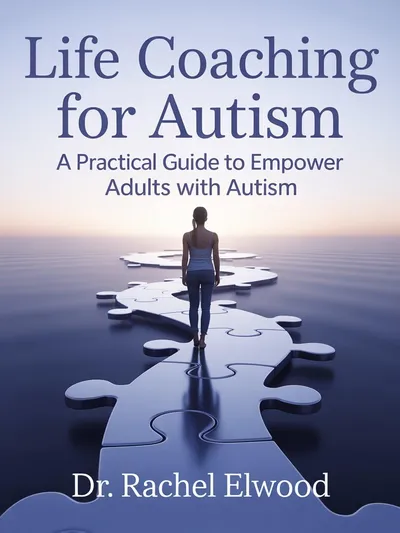
Some adults find it valuable to work with a coach who understands neurodivergence. Coaching focuses on goals, strengths and practical strategies rather than treatment. Life Coaching for Autism is written for autistic adults and the people who support them, combining self-awareness exercises with real-world strategies for routines, work, relationships and independence.
Masking and burnout
Masking means hiding or suppressing neurodivergent traits to fit in, for example forcing eye contact, scripting conversations or hiding stimming. It can help in the short term but is exhausting over time and is linked to burnout. Signs of autistic or ADHD burnout can include losing skills you normally have, extreme fatigue, increased sensitivity to sensory input and withdrawing from people.
If that sounds familiar, the answer is usually to reduce demands, increase recovery and find spaces where you can unmask, not to push harder.
Starting small
Here's a simple plan for the next two weeks:
- Choose one system from the list above.
- Set it up in the simplest possible way.
- Use it for a week, without judging yourself for missed days.
- Adjust what isn't working.
- Only then add a second system.
A word on support
Self-help strategies work best alongside appropriate professional support. If you suspect you are ADHD or autistic, talk to your doctor about assessment. If you are diagnosed, ask about treatment options, occupational therapy, coaching and peer support communities. Connecting with other neurodivergent adults can be one of the most validating experiences of all.
The takeaway
The goal isn't to make a neurodivergent brain behave like a neurotypical one. It is to build an environment and set of habits that let your brain do what it does well, with less friction. Small, kind, practical systems add up.
This article is general information, not a diagnosis or medical advice. Talk to a qualified clinician about assessment, medication or therapy.